
Trust, Lies, And Evidence
The CallerThis flow explores how the novel makes lies both an instrument of terror and a challenge to the investigator’s reliance on testimony and intuition.
increasing Bearing strength in each event
 decreasing
Bearing strength in each eventdecreasingThe Motto About Lies

The Motto About Lies
A warning about truth
The book opens with the thought that lies may sometimes be preferable to complete truth. The first scene then presents a happy family life that the reader knows will be broken by an unseen attacker.
Appearance and knowledge diverge
Lily’s certainty that she would sense danger is contradicted by what happens beyond her view. Her confidence is sincere, but the narrative shows that people cannot know everything they believe they can protect.
The opening frames truth as unstable without suggesting that every lie is beneficial. It prepares readers to question appearances and claims.
False Claims With Real Effects
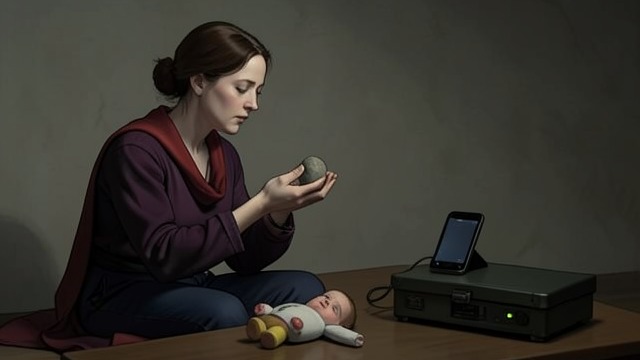
False Claims With Real Effects
A lie recruits its audience
Johnny’s messages tell victims that a baby is injured, a woman is dead, a patient needs collection, or a child has been in an accident. Each claim prompts real fear and action.
The effects are not imaginary
The child in the first case is unharmed, and Frances is safe, but the families and institutions experience genuine distress. The falsehood does not become harmless simply because its literal claim is untrue.
The novel separates factual falsehood from emotional consequence. A lie can be invented and still cause lasting damage.
Testimony Under Pressure
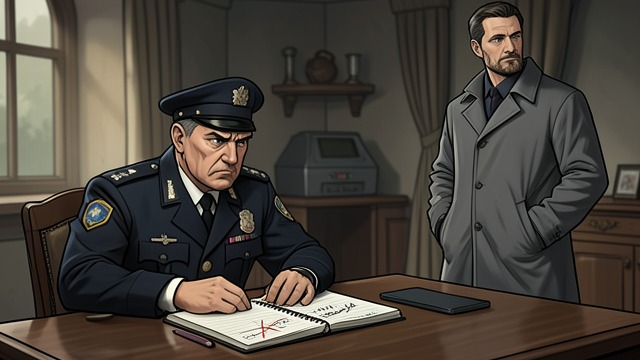
Testimony Under Pressure
A suspect admits and denies
Johnny admits to several hoaxes but denies opening Schillinger’s kennel. His demonstrated dishonesty makes his denial difficult to accept at face value.
Character is not proof
Sejer is inclined to believe Johnny, while Matteus warns that liking someone may distort judgment. The police have no decisive physical evidence linking Johnny to the open gate.
The problem is not whether Johnny has lied; that is known. The problem is whether his past lies prove a particular allegation, which they cannot do by themselves.
A Father’s Impossible Account

A Father’s Impossible Account
Affection shapes belief
Matteus points out that people who like someone may believe almost anything that person says. He uses Sejer’s sympathy for Johnny as a warning.
Intuition faces scrutiny
Sejer defends his years of experience and his ability to sense when a statement sounds false. He knows that intuition can guide an investigation but cannot replace evidence.
The exchange does not settle Johnny’s guilt. It shows how even experienced investigators must examine the emotional conditions under which they trust testimony.
The Last Unverified Story
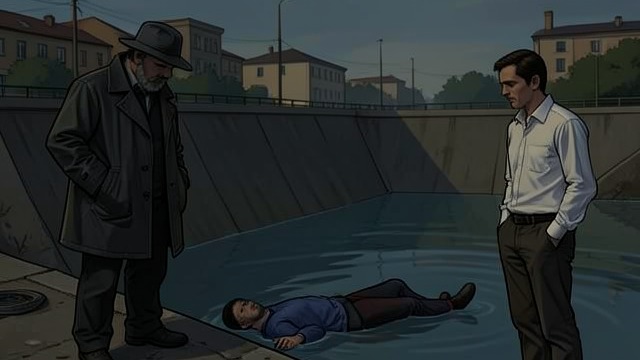
The Last Unverified Story
A death with competing explanations
Sejer considers whether Johnny drowned accidentally, chose to die, or was pushed. He can imagine motives but cannot prove what happened at the dam.
Silence ends the inquiry
Johnny’s death prevents further questioning. The investigator is left with the young man’s denials, admissions, and the uncertainties surrounding Theo’s death.
The story ends with evidence unable to provide a complete truth. The title’s concern with lies remains unsettled because the final silence cannot be cross-examined.
the opening pages and first domestic scene
during the hoax campaign
after Theo’s death, during Johnny’s interviews
near the ending, in Sejer’s discussion with Matteus
after Johnny is found dead
